What to Pack for Torres del Paine: Day Tour and Trek Checklists

Working out what to pack for Torres del Paine is a shorter job than most gear lists make it sound, at least for a day tour, which handles the vehicle, the driver and the stops and leaves you responsible for what you wear and what fits in your daypack. Most packing lists online are written for the multi-day W trek, a genuinely different, heavier problem, so we separate the two here. The one thing both lists have to take seriously is wind: gusts average near 60 km/h on a rough day and can reach around 110 km/h, strong enough to matter on every one of our full-day Torres del Paine tours, whatever the season.

Quick answer
For a day tour, tours provide the vehicle, driver and stops; you provide windproof layers, sturdy closed shoes, sun protection and a 25 litre daypack. For the W trek, add a rated sleeping bag, trekking poles, broken-in boots and a full rain shell, since the five-day W Trek Express covers accommodation, meals and transfers but not personal gear. Wind is the constant across both lists, and the park bans drones, open fires and anything but a gas-canister stove.
Key takeaways
- Day tour list is short: windproof shell, warm mid-layer, closed shoes, sun protection, a 25 litre daypack
- Trek list adds sleep and weather gear a day tour never needs, since nights run cold even in the best months to visit
- Don't wear cotton as a base layer; it stays wet and cold once the wind hits it
- Drones are banned park-wide and CONAF confiscates them on the spot
- Can't fit a sleeping bag or poles in your luggage? Hostels in Puerto Natales rent full trekking kits by the day
The Tours This List Is Written For
This packing list covers the day tours below, like the Puerto Natales full day tour, 12 hours for $75, and the five-day W Trek Express at $1,170, the range of trips that leave from Puerto Natales. Prices checked as of August 2026; the park entrance fee is separate from every price shown here.
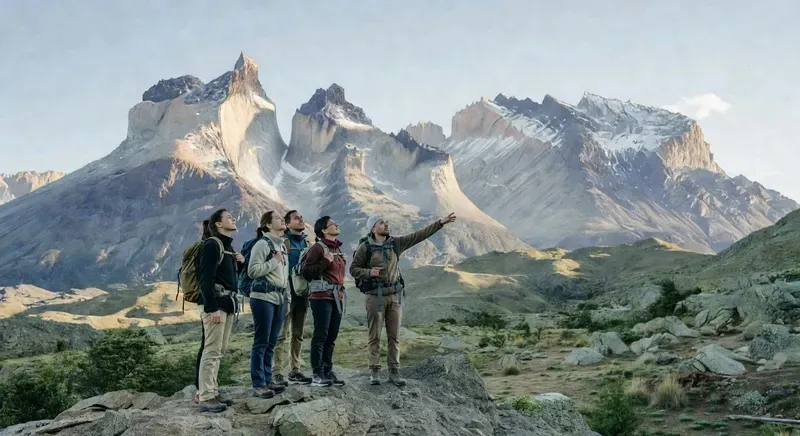 from $75
Puerto Natales: Torres del Paine Full Day Tour
Scenic van tour through Torres del Paine National Park from Puerto Natales, with stops at the iconic Laguna Amarga gate, Grey Lake beach, multiple mountain viewpoints, and a…
- Scenic stops at key viewpoints across the park
- Grey Lake beach hike (1 hour, weather permitting)
- Milodon Cave Natural Monument
- Bilingual guide (Spanish/English)
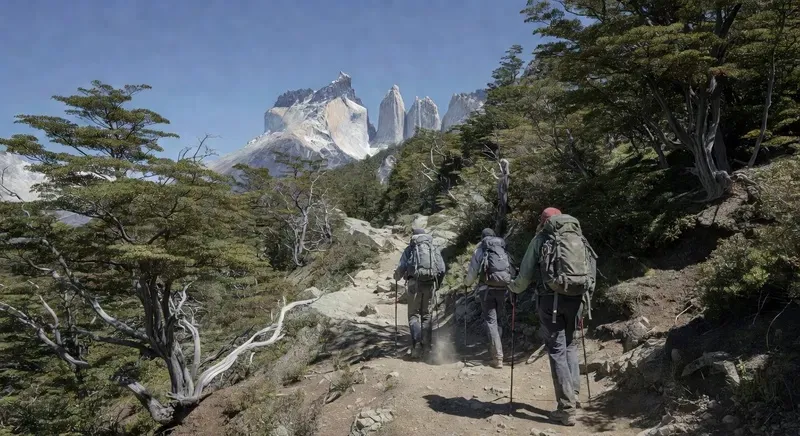 from $1,170
Torres del Paine: W Trek Express (5 Days)
Five-day W Trek package covering Base Torres, French Valley, and Grey Glacier with accommodation, meals, ferry tickets, and transfers. The Base Torres day is guided; the remaining hiking…
- Base of the Towers hike (18 km, guided day 1)
- French Valley hike + boat from Pudeto
- Grey Glacier hike + catamaran return
- Accommodation, meals & transfers included
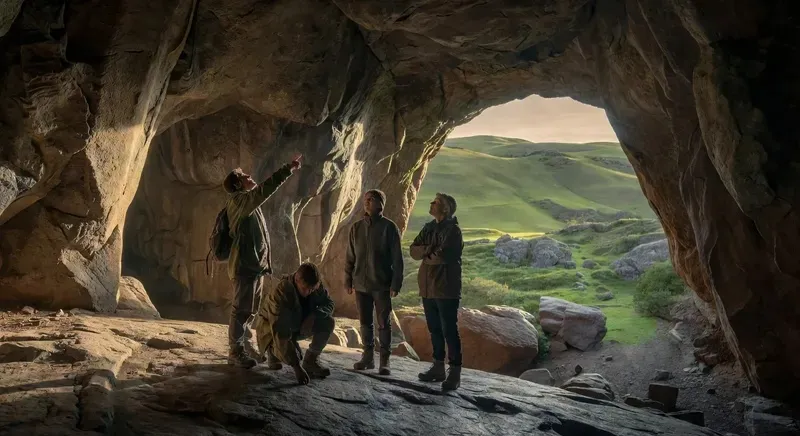 from $88
Puerto Natales: Full Day Torres del Paine + Milodon Cave
Full-day tour of Torres del Paine National Park from Puerto Natales covering Lago Sarmiento, Nordenskjöld Lake, Pehoe Lake, Grey Lake beach, the Cuernos del Paine viewpoint, and a…
- Cuernos del Paine & Torres viewpoints
- Grey Lake + Salto Grande short walks
- Milodon Cave guided visit (1 hour)
- Wheelchair-accessible tour
The Day-Tour Packing Checklist
What to bring on a full day
This covers a single day out and back, the shape of every day tour on this site. Twelve items, none of it heavy.
- Windproof outer shell, cuts the chill at every viewpoint stop
- Warm mid-layer, fleece or wool, temperature swings fast between the van and outside
- Quick-dry base layer, not cotton, cotton stays wet and cold once the wind hits it
- Sturdy closed-toe shoes with grip, gravel viewpoints and short uneven walks
- Hat that won't blow off, ideally with a chin strap, loses in the wind otherwise
- Sunglasses, glare off the lakes and the ice is real even on a grey day
- Sunscreen, UV is strong at this latitude regardless of temperature
- Refillable water bottle, no shade and few stops to buy more
- Daypack, about 25 litres, enough for layers, water and lunch, small enough for the van
- Cash in small bills, the Milodón Cave stop and roadside kiosks don't all take cards
- Phone or camera charged, with a spare battery, cold drains batteries faster than usual
- Your pasesparques.cl QR ticket, saved and printed, your proof of entry at the gate
The Layering System, Explained for Patagonian Wind
Three layers, not one heavy jacket
The mistake we see most often is one thick coat instead of layers. A single heavy jacket traps sweat on the walk from the van to the viewpoint, then leaves you cold and damp the moment the wind hits, and Patagonian wind hits often and without warning. A three-layer system handles both problems.
- Base layer: a quick-dry synthetic or wool top, never cotton, worn against the skin
- Mid layer: a fleece or light insulated jacket, added or removed as the wind picks up or drops
- Outer layer: a genuinely windproof and water-resistant shell, the one piece that matters most on an exposed ridge
Why this matters more here than most places
The wind is not an occasional feature of a visit, it is the defining condition of the park in every season, strongest in the austral summer months of December, January and February and calmer but still present the rest of the year. A layering system you can add to or strip off in under a minute, standing at a viewpoint with your pack open, is worth more than any single piece of expensive gear.
Footwear: Day Tour Versus Trek
What a day tour actually needs
You are on your feet for short stretches between the van and a viewpoint, on gravel and packed dirt, not on a trail for hours at a time. Sturdy closed-toe shoes with real tread, trail runners or light hikers, are enough. Trainers with worn-out soles are the one thing we'd tell you to swap before you come; the gravel at Grey Beach and the Laguna Amarga lookout gets slick when it's wet, which is often.
What the W trek needs instead
Four to five days of uneven trail, river-adjacent sections and long descents call for broken-in hiking boots with ankle support, not the shoes you'd wear on a day tour. Boots that are new out of the box are how people end the first day of a trek in blisters; break yours in on shorter walks before you fly down. Sandals or flip-flops are fine at camp in the evening and nowhere else on the route.
The Multi-Day W Trek List
What the day-tour list doesn't cover
The W Trek Express covers accommodation, meals, ferry tickets and transfers across its five days, with the Base Torres day guided and the rest independent. None of that includes the personal gear below.
- Sleeping bag rated for near-freezing nights, refugio nights run cold even at the height of summer
- Trekking poles, steadies you on the exposed sections between refugios and viewpoints
- Broken-in hiking boots, days of uneven trail, not a day tour's short walks
- Waterproof rain shell and rain pants, Puerto Natales gets 1,581 mm of rain a year and it falls in every month, there is no dry season
- Insulated jacket for camp, temperatures drop fast once you stop moving
- Gaiters, keeps gravel and rain out of your boots on exposed passes
- Headlamp, refugio common areas and early starts before full light
- Blister kit and basic first aid, consecutive days in boots will test your feet
- Dry bags for clothes and electronics, rain and river spray reach into an open pack fast
- Refillable water bottle or bladder, streams cross the route, but carry your own container
- Proof of your refugio and campsite bookings, rangers check these at gates and route checkpoints
- A gas-canister stove only, if you're cooking your own meals, the only fuel type CONAF allows, and only in designated shelters
What to Wear by Month
The same three layers, different weight
The kit stays the same shape all year, base, mid and outer layer, but what goes in each layer changes with the season. Full detail on temperatures and wind by month is in our best-time-to-visit guide; here is what that means for your bag.
| Season | Months | What to wear |
|---|---|---|
| Peak summer | December to February | Light quick-dry base layer, breathable mid layer, and still a serious windproof shell; park highs run near 17°C but the wind is strongest of the year |
| Autumn | March and April | Add a warmer mid layer as the wind eases and Puerto Natales highs drop from 13°C to 10°C |
| Winter | May to August | Heavier insulated mid layer, warm hat and gloves, park lows near -3°C and the calmest wind of the year |
| Spring | September to November | Layer up but lighter than deep winter, temperatures climbing from 9°C to 14°C as trekking season reopens |
What the Park Bans From Your Bag
Rules that go with every ticket
These are enforced, not suggestions. Rangers expel visitors for breaking the fire rule and CONAF confiscates equipment for the drone rule.
- Drones, banned across the whole national park; CONAF confiscates the equipment, expels the visitor and reports them to the civil aviation authority
- Open fires and campfires, banned everywhere in the park, a rule tightened after the 2011-2012 fire that burned roughly 176 km² of the park, about 36 km² of it native forest
- Alcohol burners, liquid-fuel and wood stoves, not allowed anywhere; only gas-canister stoves are permitted, and only in designated cooking shelters at campsites that have them
- Candles, banned outright, even inside a tent
What Tours Provide and What You Carry
The honest breakdown
Inclusions vary by tour, and none of the day tours we list include personal gear. Here is what each type of trip actually covers, drawn from the tours themselves.
| Item | Usually provided | Bring your own | Notes |
|---|---|---|---|
| Vehicle and driver | Yes | - | Every day tour and the W Trek Express include this |
| Guide | On most tours | - | Named on the full-day Torres del Paine and Milodon Cave tour, the Punta Arenas day trip and the El Calafate day tour; the W Trek Express guides only the Base Torres day |
| Park entrance fee | No | Yes | Bought separately at pasesparques.cl, see the entrance fee guide |
| Lunch or snacks | On some tours | On others | Boxed lunch and bilingual guide named on the El Calafate day tour; snacks and lunch on the photo safari; confirm on tours without a lunch mentioned |
| Accommodation | W Trek Express only | Day tours need none | Refugio and camp nights are included across the five-day trek |
| Ferry tickets | W Trek Express only | - | Day tours don't cross by boat |
| Daypack | No | Yes | 25 litres covers a day tour or a single trekking day |
| Warm and windproof layers | No | Yes | No tour on this site supplies clothing |
| Hiking boots | No | Yes | Even the W Trek Express doesn't include footwear |
| Trekking poles | No | Bring or rent | See renting gear in Puerto Natales below |
| Sleeping bag | No | Bring or rent | Refugios and camps supply the bed or platform, not always the bag; confirm with the operator |
Pricing note
Tour prices in this table match what we quote across this site: $75 for the Puerto Natales full day tour, $1,170 for the five-day W Trek Express. Last verified: August 2026.
Renting Gear in Puerto Natales Instead of Flying With It
The town is set up for this
You don't need to fly south with a sleeping bag and trekking poles taking up half your luggage allowance. The trekking-focused hostels in Puerto Natales rent full kits by the day, tents, sleeping bags rated for the wind, stoves, poles and dry bags, and store the luggage you're not carrying into the park while you're gone. It is worth arriving a day early specifically to sort this rather than trying to do it the same morning you leave for the trailhead.
Frequently Asked Questions
What should I wear in Torres del Paine?
A three-layer system: a quick-dry base layer, a fleece or light insulated mid layer, and a genuinely windproof outer shell. The specific weight of each layer changes by season, but the shape stays the same year-round because the wind never fully stops.
What kind of shoes do I need for Torres del Paine?
For a day tour, sturdy closed-toe shoes with real tread are enough, since you're on gravel and short walks rather than a trail for hours. For the W trek, broken-in hiking boots with ankle support are worth the extra weight.
Do I need hiking boots for a Torres del Paine day tour?
No. Trail runners or light hikers with good tread handle a day tour fine. Save the full boots for a multi-day trek, where the terrain and the hours on your feet genuinely call for them.
How cold does it get in Torres del Paine?
Park lows average near -3°C in winter, June to August, and summer highs run near 17°C in the park itself. Wind chill makes both ends feel colder than the number alone suggests, which is why the layering system matters more than any single temperature figure.
Can you rent trekking gear in Puerto Natales?
Yes. The trekking-focused hostels rent tents, sleeping bags, stoves, poles and dry bags by the day, and store your extra luggage while you're in the park. It's a genuine alternative to flying south with bulky gear.
What is not allowed in Torres del Paine National Park?
Drones are banned park-wide, with confiscation and a report to the civil aviation authority for anyone caught. Open fires and campfires are banned everywhere. Only gas-canister stoves are allowed, and only in designated cooking shelters; alcohol burners, liquid-fuel stoves, wood stoves and candles are all banned.